5 ways to get reminded to sit up straight, from free to paid
Telling yourself to sit up straight works for about ten minutes. Something outside your head has to do the reminding, and some ways work far better than others.
The short answer. The free options (a timer, a note on your monitor) remind you on a schedule, whether or not you are slouching. The paid ones (a posture app or a wearable) remind you only when you actually slouch, which is why they tend to keep working after the first week. Start free if you are unsure, and move up if you find yourself ignoring it.
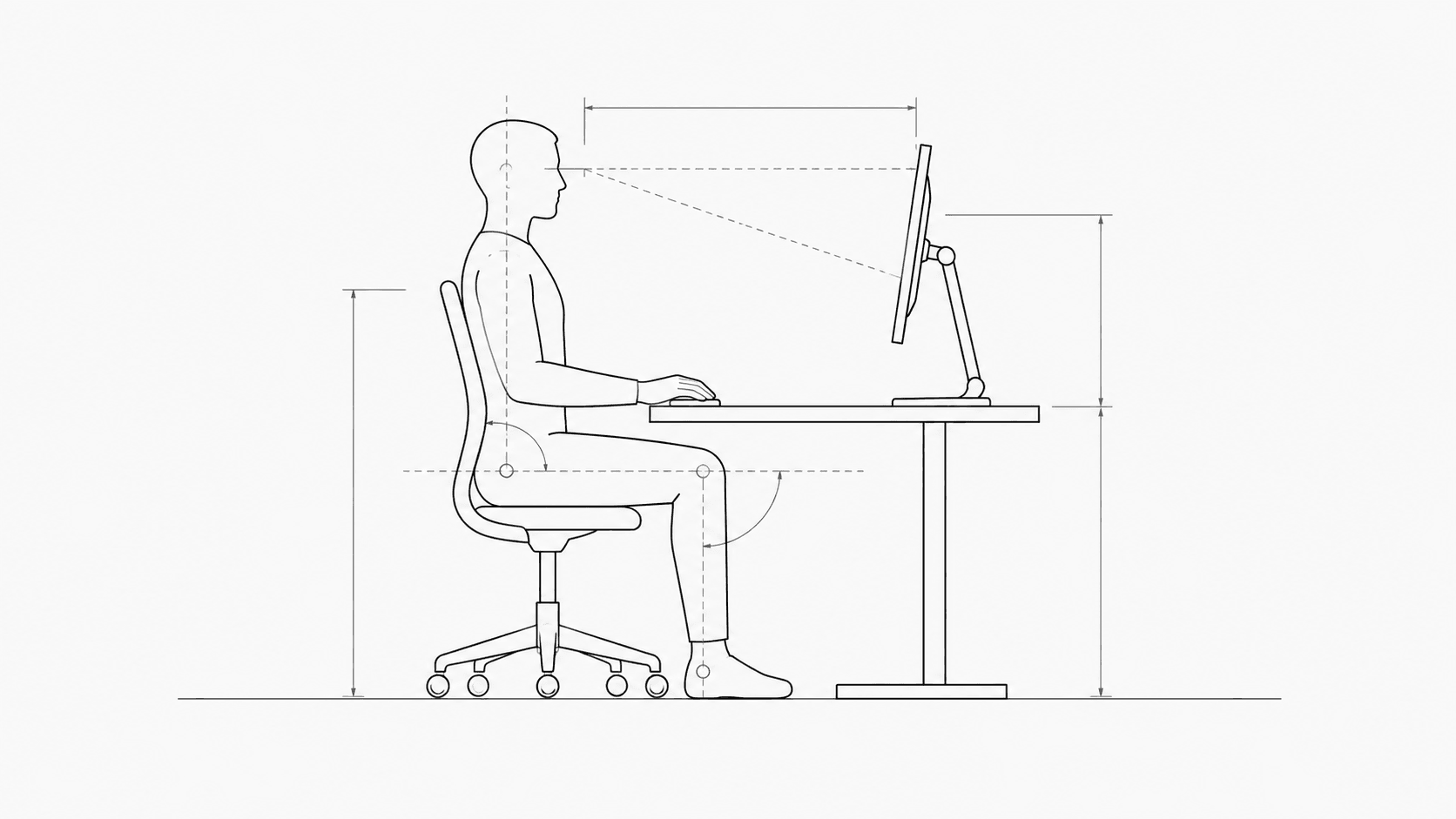
Why you need a reminder at all: drifting forward does not feel like anything while it is happening. You sit down upright and an hour later you are folded over the keyboard with no memory of getting there. Willpower cannot fix something you cannot feel.
1. A timer (free)
Set a repeating timer on your phone or computer for every 20 to 30 minutes. When it goes off, sit back, drop your shoulders and, better still, stand up for half a minute.
- Good at: costing nothing, and getting you out of the chair, which does more for your back than any position. Our article on how often to take breaks explains why.
- Falls short: it goes off whether you are slouching or not, so it soon feels random, and it is easy to dismiss without moving.
2. A note on your monitor (free)
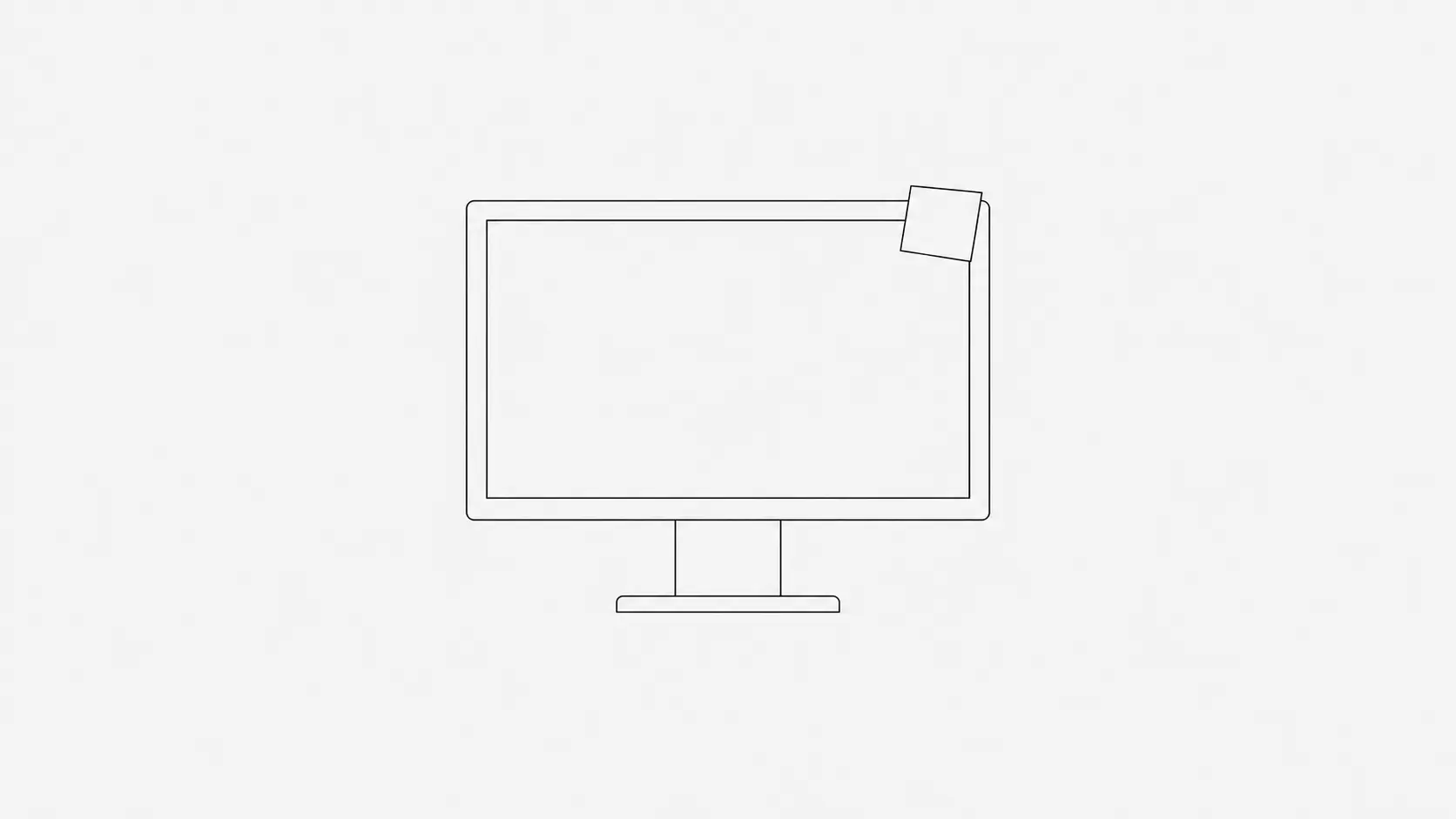
A sticky note on the edge of your screen, or a small mark on the bezel, that means sit back.
- Good at: being in your line of sight all day, at no cost.
- Falls short: things that never change stop being noticed, and within a few days it tends to fade into the background. Moving it somewhere new every few days helps for a while.
3. Apple Watch stand reminders (free if you have one)
If you wear an Apple Watch, it reminds you to stand if you have not moved for a minute in the hour.
- Good at: a tap on the wrist is harder to miss than a sound, and it gets you moving regularly.
- Falls short: it knows nothing about posture. You can sit slumped for 59 minutes and it is happy.
4. A posture brace (cheap)
A strap that pulls your shoulders back while you wear it.
- Good at: the pressure on your skin is a constant reminder while it is on, and that cue is most of what it does.
- Falls short: the effect fades soon after you take it off, and few people wear one all day. Our piece on posture braces covers what the studies found.
5. A posture app or tracker (paid)
These watch your posture and remind you only when you actually slouch. There are two kinds:
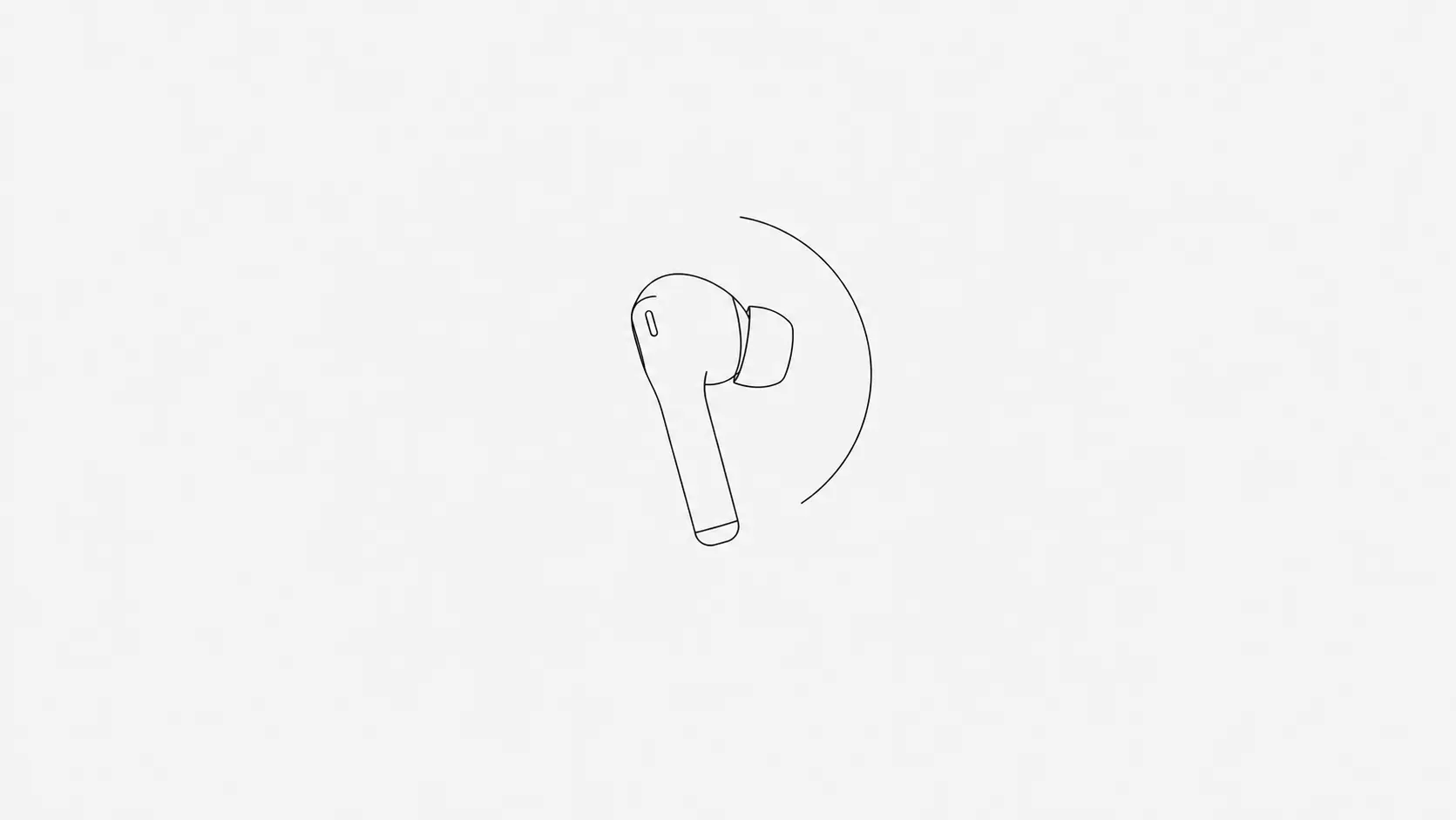
- Posture apps watch you from your computer. TryWorkWell is ours: it watches your head and shoulders through the webcam on Mac and Windows, and warns you when you lean too close to the screen. On a Mac it can use your AirPods instead, with no camera. It costs $4.99 a month or $24.99 once after a free trial.
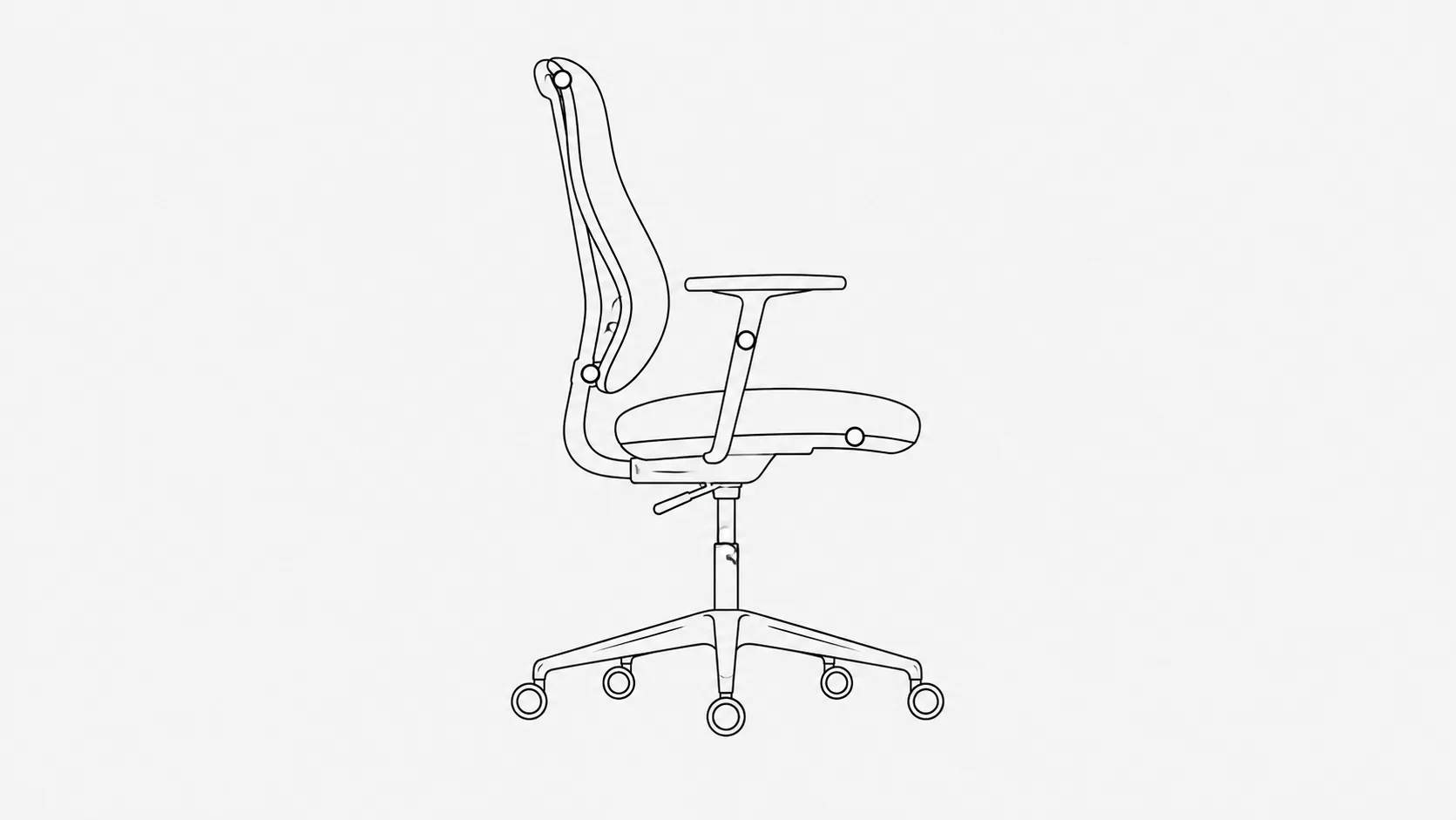
- Wearables like Upright GO 2 sit on your upper back and vibrate.
- Good at: the reminder arrives at the right moment, so it stays meaningful instead of becoming background noise.
- Falls short: it costs money, and each kind only sees you in certain places: the webcam at the desk, AirPods while they are in your ears, the wearable while it is on. Our comparison of webcam, AirPods and wearable trackers goes through the differences.
Make any reminder stick
Whichever one you pick
- Treat each reminder as a cue to move, not just to straighten up. Standing for 30 seconds beats holding a perfect posture you will lose in ten minutes.
- Tie a reset to something you already do: every time you send an email, end a call or pick up your drink, sit back and drop your shoulders.
- If you catch yourself dismissing a reminder without moving, it has stopped working. Change it rather than ignoring it harder.