Dead legs at a desk are not a circulation problem
Numb thighs, pins and needles and puffy ankles get blamed on poor circulation. Two of the three are nerve pressure, and the third is a muscle that stopped working.
You stand up after a long stretch at your desk and one leg is not entirely yours. A patch of thigh is numb, the foot is fizzing, and by five the socks have left a ring around your ankles.
The usual explanation is poor circulation, which sounds plausible and is mostly wrong. Three different things are happening and they need different fixes.
Numbness and pins and needles are nerve pressure
Nerves are far more sensitive to being squashed than arteries are. A chair edge does not have anything like the pressure needed to cut off blood supply to a leg. It comfortably has enough to press on a nerve.
That is why the feeling comes on gradually, sits in one specific patch rather than the whole leg, and resolves within a minute or two of standing. Blocked blood supply does not behave like that, and it hurts a great deal more.
- A numb patch on the outer thigh is a nerve that runs near the front of your hip, irritated by pressure from a waistband, a tight belt, or a seat that tips you backwards.
- Fizzing in the foot or outer shin often comes from crossing your legs. There is a nerve that wraps around the outside of the knee just under the skin, and the opposite knee presses on it neatly.
- Numbness under the back of the thigh is usually the front edge of the seat, especially if the chair is too high, too deep, or too hard.
None of this is damage in the ordinary case. A nerve compressed for an hour complains and then recovers. It becomes worth attention when it stops recovering promptly, or when the same spot goes numb every single day.
Swollen ankles are a muscle that stopped working
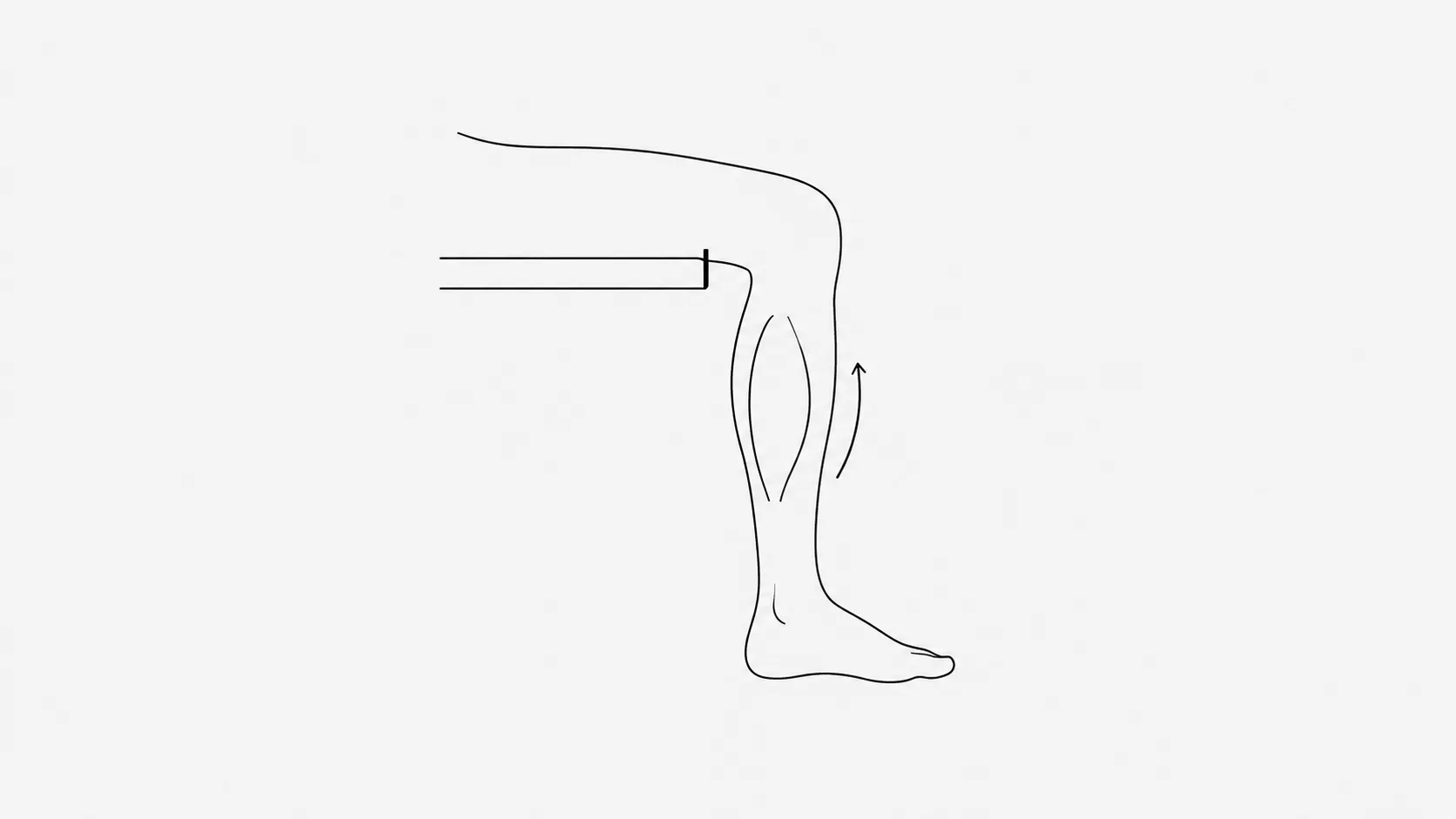
This one genuinely is about blood, but not about circulation being poor. Getting blood back up your legs is not something your heart does on its own. Your calf muscles do a large part of it.
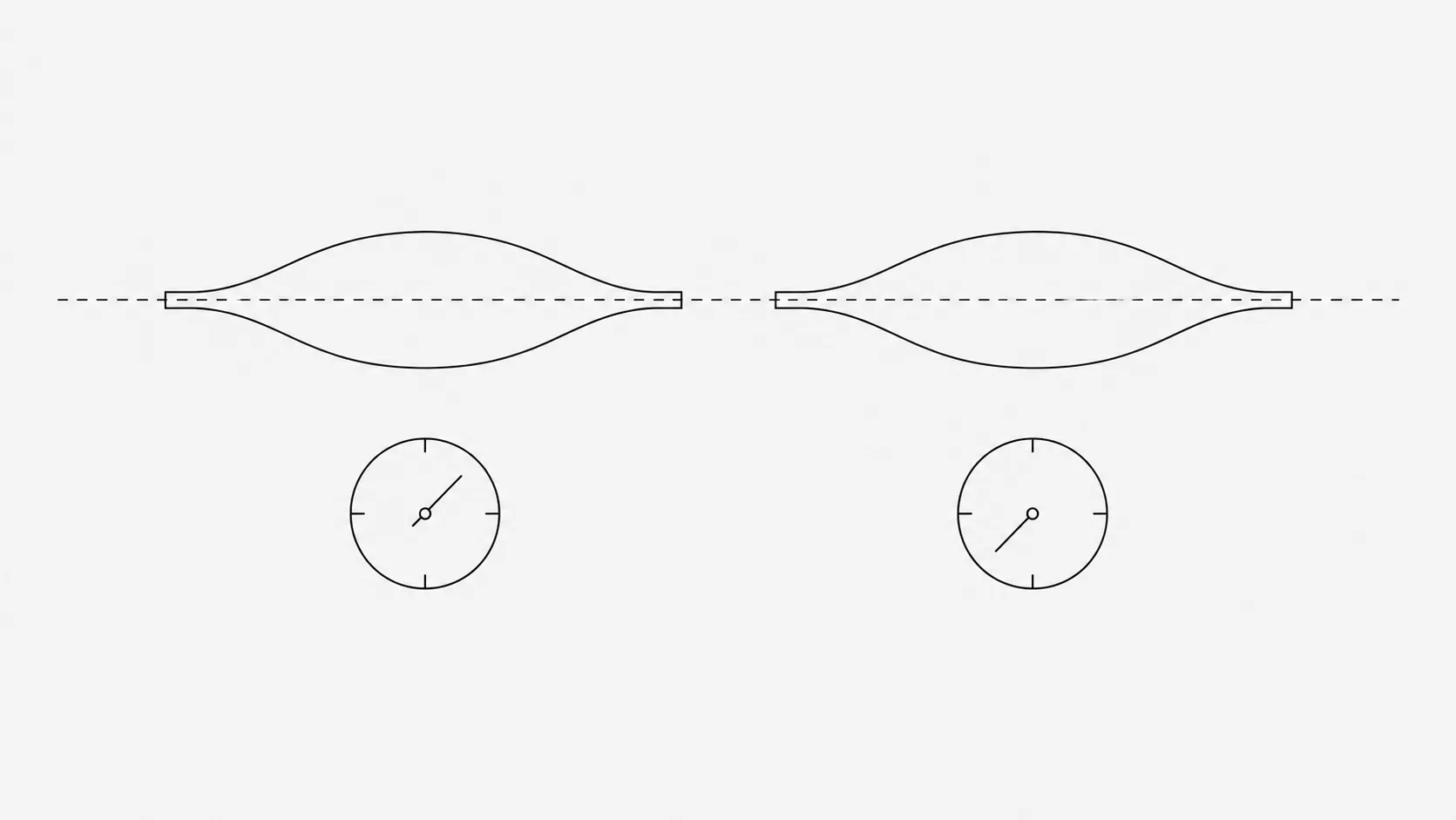
Every time your calf contracts it squeezes the deep veins, and one-way valves stop the blood falling back. This is usually called the calf pump, and it is the reason walking feels like it drains your legs. Sitting still switches it off entirely. Fluid pools, and by the afternoon your socks tell you about it.
The fix is not a better chair. It is a working calf. Ten ankle pumps or one walk to the kettle restarts the pump immediately, which is why the swelling goes down after you move and comes back after two still hours.
Crossing your legs is fine, mostly
Leg crossing gets blamed for back problems, hip misalignment and varicose veins. The evidence for the first two is thin. It does raise pressure at the outer knee, which is the fizzing foot, and it does tilt the pelvis, which matters only in the sense that any position held for an hour matters.
The practical advice is not to stop crossing your legs. It is to stop leaving them crossed the same way for an hour, which is the same advice as everything else at a desk and is starting to sound like a theme.
Sorting out which one you have
| What you notice | What it usually is |
|---|---|
| Numb patch, one leg, clears in a minute of standing | Nerve pressure. Look at the seat edge, the belt and the crossed knee. |
| Both ankles puffy by the afternoon, better overnight | Calf pump inactivity. Move more often, not differently. |
| Fizzing foot that starts after you cross your legs | The nerve at the outside of the knee. Uncross, swap sides more often. |
| Aching, heavy legs and visible veins | Worth a doctor. This is the pattern where venous problems are actually plausible. |
| One calf swollen, warm or painful | Not a desk problem. See the warning below, today. |
What to change
In order of how much they matter
- Get up every twenty to thirty minutes. It restarts the calf pump and takes the pressure off whatever nerve was being leaned on. Everything else here is a distant second.
- Check the seat depth. You should be able to fit two or three fingers between the front edge of the seat and the back of your knee. Too deep is the most common cause of the numb thigh.
- Lower the chair until your feet are flat. Dangling feet put your whole lower leg's weight onto the seat edge. If the desk is then too high, use a footrest rather than raising the chair back up.
- Loosen the belt and stop sitting on your wallet. Both are genuinely common causes and both are free to fix.
- Do ankle pumps when you cannot stand up. Twenty of them under the desk during a call does most of what a walk would.
Compression socks, and when they are the answer
Compression socks work for this, and they work by helping the veins rather than by fixing your posture. They are genuinely useful for long flights, for people who already have venous problems, and in pregnancy.
For an ordinary desk worker with puffy ankles at four o'clock, they are treating the symptom of not moving. Worth trying if you have a reason you cannot move much. Not the first thing to buy if you can simply stand up more.
When it is not the chair
Swelling in one leg only, particularly with calf pain, warmth or redness, needs same-day medical assessment. That is the pattern of a deep vein thrombosis, and long periods of sitting are a risk factor for it, especially after surgery, long travel or with certain medications. Numbness that does not resolve, weakness in a foot, or any numbness in the saddle area with bladder or bowel changes is also urgent rather than ergonomic.
The short version
Your circulation is fine. The numbness is a nerve being leaned on by a seat edge, a belt or your own knee, and the puffy ankles are your calf muscles doing nothing for two hours. Sort the seat depth and the chair height, uncross and recross, and get up often enough that the pump keeps running. One swollen calf on its own is a different matter and needs seeing today.