Desk stretches do not undo sitting
Stretching feels wonderful and does almost nothing to the muscle. That is not a reason to stop, but it is a reason to stop expecting it to fix the day.
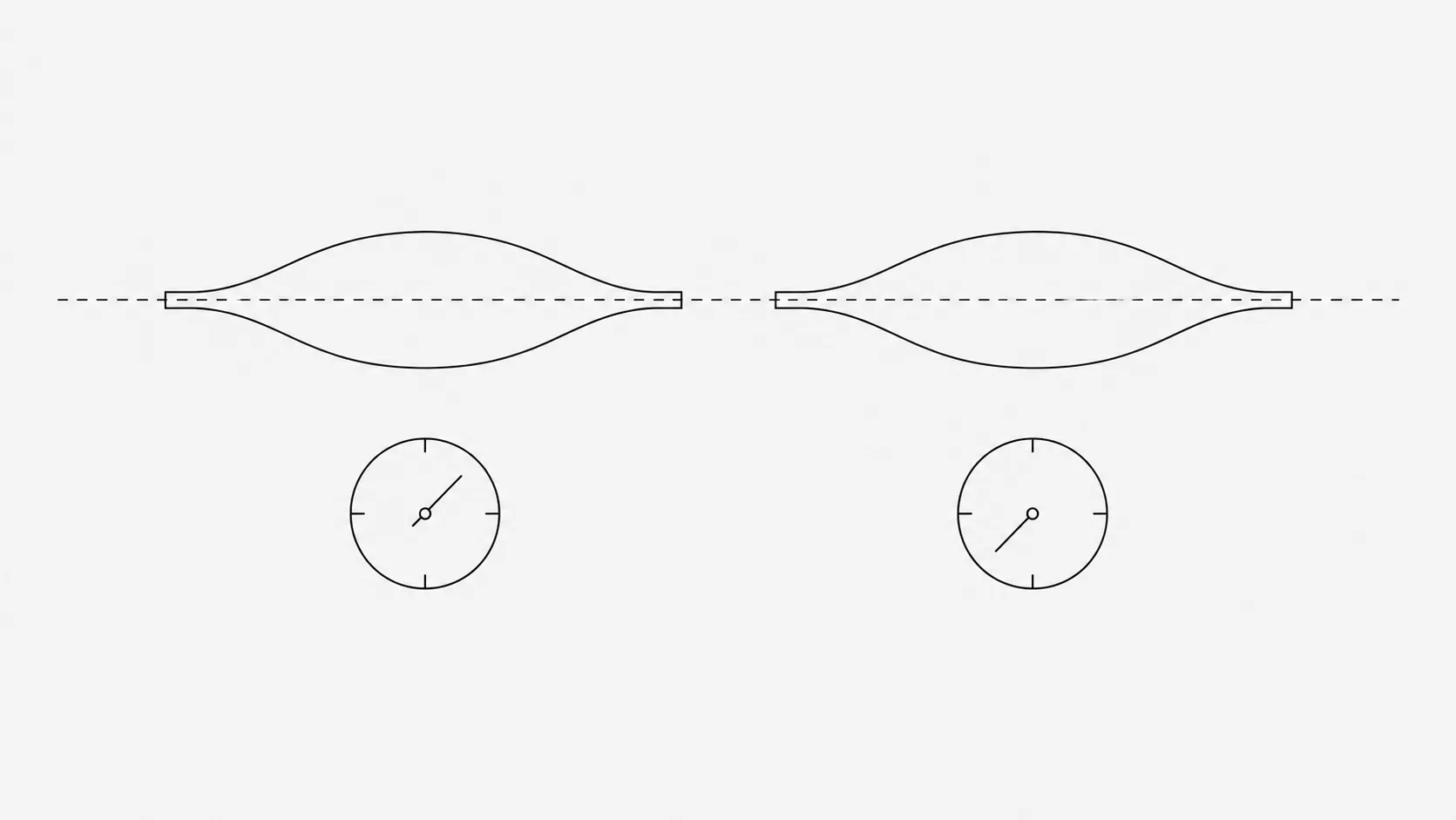
Every article about desk pain ends with the same picture: a neck tilt, a doorway chest stretch, a seated twist. Hold for thirty seconds. Repeat on the other side. It feels genuinely good, so nobody questions it.
The question worth asking is what it is doing. The honest answer is not what most people assume, and it changes how much of your break you should spend on it.
Stretching does not lengthen muscle
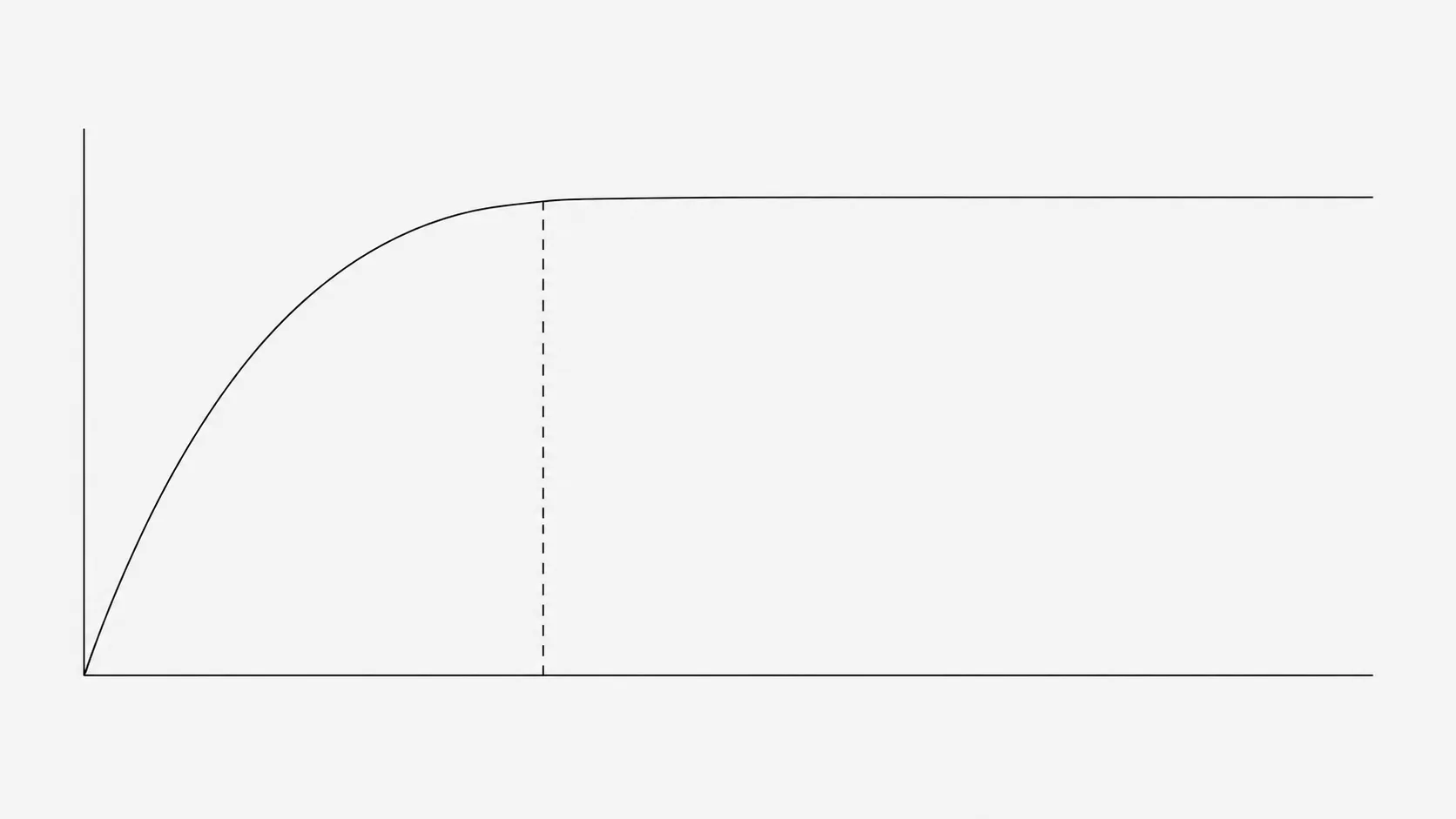
The intuition is that a tight muscle is a short muscle, and pulling on it makes it longer. Studies that measure this find something else: after weeks of stretching, range of motion improves, and the mechanical properties of the muscle are largely unchanged.
What changes is tolerance. You become willing and able to go further into the same stretch before your nervous system objects. That is a real adaptation and it is useful. It is not the muscle getting longer, and it is definitely not a shortened muscle being restored to its correct size.
This also means the tight feeling in your shoulders after a long day is not usually a length problem. Muscle held at low effort for hours produces a sensation of tightness with no change in length at all, which is why stretching it relieves the feeling for about ten minutes and changes nothing about tomorrow.
It does not prevent injury either
Stretching before activity has been studied heavily, mostly in sport, and the evidence for injury prevention is weak to absent. Static stretching immediately before something requiring strength or power also produces a small temporary reduction in output.
None of that is an argument against stretching. It is an argument against the specific claim that a stretch is protective, which is the claim quietly attached to most desk stretch routines.
So why does it feel so good
Because it genuinely does something, just not the something on the label. Three effects are worth knowing about, because they tell you how to use it.
- It hurts less afterwards. Stretching produces a short-lived analgesic effect. Real, measurable, and temporary.
- It changes position. Every stretch takes a joint somewhere it has not been for hours. The novelty of the position is doing a lot of the work, and almost any movement into that range would do the same.
- It is a break you gave yourself permission to take. You stopped, you stood up, you breathed. The stretch is often the excuse rather than the mechanism.
What to do with your break instead
Not nothing. The point is not that stretching is useless, it is that thirty seconds of holding one position is a strange way to spend a break from holding one position.
| Instead of | Do |
|---|---|
| Thirty seconds holding a neck tilt | Ten slow neck rotations through the full range, in both directions. |
| A held doorway chest stretch | Ten shoulder rolls backwards, then reach overhead a few times. |
| A seated twist | Stand up. Then twist if you like, but the standing was the active ingredient. |
| A hamstring stretch at the desk | Walk to the far end of the office and back. |
The pattern is moving through range rather than parking at the end of it, and doing it more often for less time. Two minutes every half hour beats fifteen minutes at six o'clock, because the problem being solved is duration, and only frequency touches duration.
Where stretching genuinely earns its place
Worth doing deliberately
- When something already aches and you want it to stop for a while. The analgesic effect is real. Use it as relief, not as treatment.
- If you have genuinely lost range and cannot turn your head as far as you used to. Tolerance training works, and this is what it is for.
- Before something requiring range rather than power, like a yoga class or a swim.
- As a wind-down. Slow stretching alongside slow breathing is a decent way to end a working day, on its own terms, with no need to claim it corrects anything.
- Because you enjoy it. This is a sufficient reason and needs no evidence base at all.
The one that is worth more than the rest
If you only keep one desk movement, keep standing up and reaching overhead, then looking up and away from the screen for twenty seconds while you do it.
It reverses the flexed shape of sitting, it gets you out of the chair, and the looking-away part covers the eye problem at the same time. Three things at once, in about fifteen seconds, which is roughly the amount of effort anyone will actually repeat twelve times a day.
The short version
Stretching does not make muscles longer, does not prevent injury and does not undo six hours of sitting. It makes you hurt less for a little while and it gets you out of the chair, both of which are worth having. Spend the break moving through range rather than holding the end of it, do it more often for less time, and stop expecting a thirty second hold to pay off a nine hour debt.