The 3pm crash is not your lunch
It arrives whether you eat or not. Knowing what actually causes it changes which fixes are worth trying, and rules out the one everybody reaches for first.
Somewhere between two and four in the afternoon the work gets heavier. You reread paragraphs. Simple decisions take longer. Almost everyone blames lunch, and almost everyone is wrong.
Researchers have tested this by keeping people awake in constant conditions with no meals, no clocks and no daylight cues, then measuring alertness across the day. The afternoon dip shows up anyway. It is built into your circadian rhythm, it lands roughly twelve hours after the middle of your night's sleep, and food is at most a modifier.
So what is happening
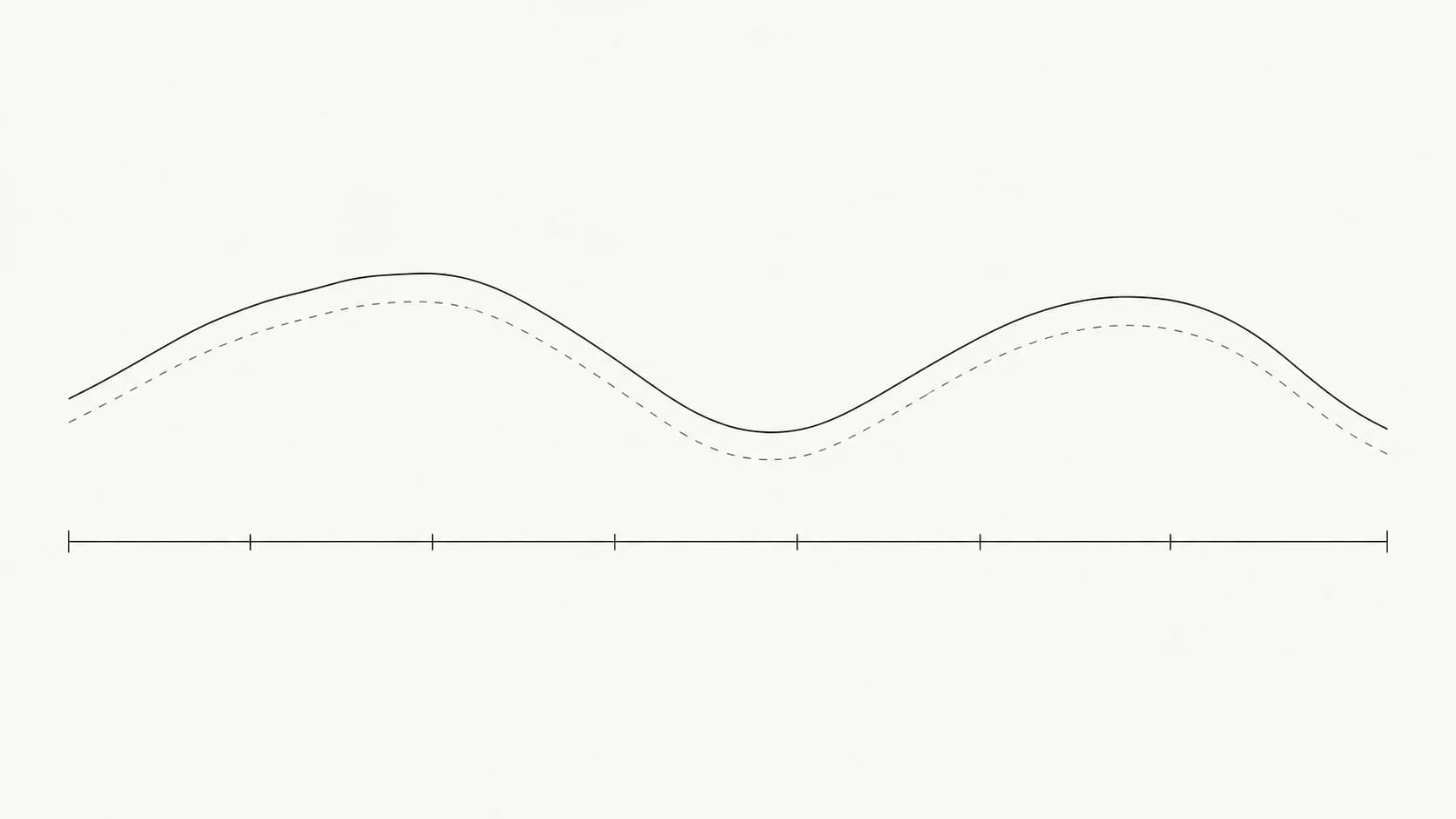
Two systems set how alert you feel, and in the early afternoon they briefly work against each other.
Sleep pressure, which has been building since you woke up and rises steadily all day.
Your circadian alerting signal, which normally rises through the day to offset that pressure and keep you level. It is not a smooth climb. It flattens in the early afternoon before rising again into the evening.
During that flat stretch the pressure keeps rising and nothing is pushing back. That is the dip. It is the same mechanism that makes the small hours of the morning so hard, running at a much lower intensity.
This is also why the dip is worse when you are short on sleep. The circadian pattern is unchanged, but there is more pressure for it to fail to offset. Most people who describe a brutal afternoon crash are describing a sleep debt with a timestamp on it.
Where lunch does come in
Food is not the cause, but it is not innocent either. A large meal, particularly a carbohydrate-heavy one, measurably deepens the dip that was going to happen anyway. A light lunch does not remove it.
The practical read: skipping lunch to avoid the crash does not work and costs you a meal. Eating a smaller, less carb-dominant lunch shaves the edge off. That is the whole of the food story, and it is a modifier, not a cure.
Caffeine, timed properly
Caffeine works on this. The problem is when people take it.
Caffeine has a half-life of roughly five hours, and considerably longer in some people. A 4pm coffee means a meaningful dose is still circulating at bedtime, which costs you sleep quality, which raises tomorrow's sleep pressure, which makes tomorrow's dip worse. It is one of the tidier vicious cycles available at a desk.
Rules that survive contact with a real day
- Have the last coffee eight hours before bed. For a midnight bedtime that is 4pm. Earlier if caffeine hits you hard.
- Front-load it. Caffeine before the dip works better than caffeine during it.
- Do not fix a bad night with more of it. You will trade a rough afternoon for a rough week.
The two things that actually help
Light. Bright light is a direct alerting signal, not just a mood one. Ten minutes outside beats any indoor lighting you own, on an overcast day too, because outdoor light is far brighter than it subjectively seems. If you cannot get out, sit near a window rather than deeper into the room.
Movement. A short walk raises alertness for an hour or more, and the effect is larger than the sugary snack people usually reach for instead. It does not need to be exercise. It needs to be leaving the chair.
Combining them is the single most effective thing on this page, and it takes ten minutes. A walk outside at the start of the dip rather than a coffee in the middle of it.
Naps, if you can
| Length | What you get | Watch for |
|---|---|---|
| 10 to 20 minutes | Clear alertness gain, wake up cleanly | The reliable choice |
| 30 to 60 minutes | You wake mid deep sleep | Grogginess for up to half an hour |
| 90 minutes | A full cycle, wake more cleanly again | Rarely available on a workday |
If you can nap, keep it under twenty minutes and take it early in the dip rather than late. A nap after about 4pm starts eating into the sleep pressure you need that night.
Work with it instead of through it
The dip is predictable, which makes it schedulable. You are the same person every day at 2:30, so stop giving that slot your hardest thinking.
- Move demanding work to your morning peak, roughly two to four hours after waking for most people.
- Put admin, email and meetings in the dip. Talking to people is easier than concentrating alone when your alertness is low.
- Expect a second wind. The alerting signal rises again in the early evening, which is why people who push through until six often feel fine by then.
- Stop treating it as a discipline failure. It is a rhythm, and fighting it with willpower is the least effective option available.
What does not work
Sugar gives you twenty minutes and takes back thirty. Energy drinks are caffeine with a marketing budget and the timing rules above still apply. Pushing through without moving is the worst option of all, because it adds sustained sitting to low alertness, and that is how the afternoon becomes a sore neck as well as a slow one.
The short version
The crash is a rhythm, not a verdict on your lunch or your character. Get the last coffee in before mid-afternoon, walk outside for ten minutes when it starts rather than fighting it at your desk, and stop scheduling your hardest work into the one part of the day your body has already decided against.