It does not take 23 minutes to refocus
The famous number comes from one small observational study, and what it measured is not what it gets used to prove. The real finding is more awkward, because most of the interruptions are yours.
You have seen it quoted in every productivity article and most notification-blocking apps: it takes 23 minutes and 15 seconds to return to a task after an interruption. The precision is what sells it. Nobody quotes a number with seconds in it unless someone measured carefully.
Someone did measure carefully. What they measured is not the thing the number is used to claim, and the actual finding is more useful.
What the study actually did
The figure comes from observational work by Gloria Mark and colleagues, who shadowed information workers and recorded, to the second, what they worked on and for how long. Small sample, real offices, genuinely painstaking.
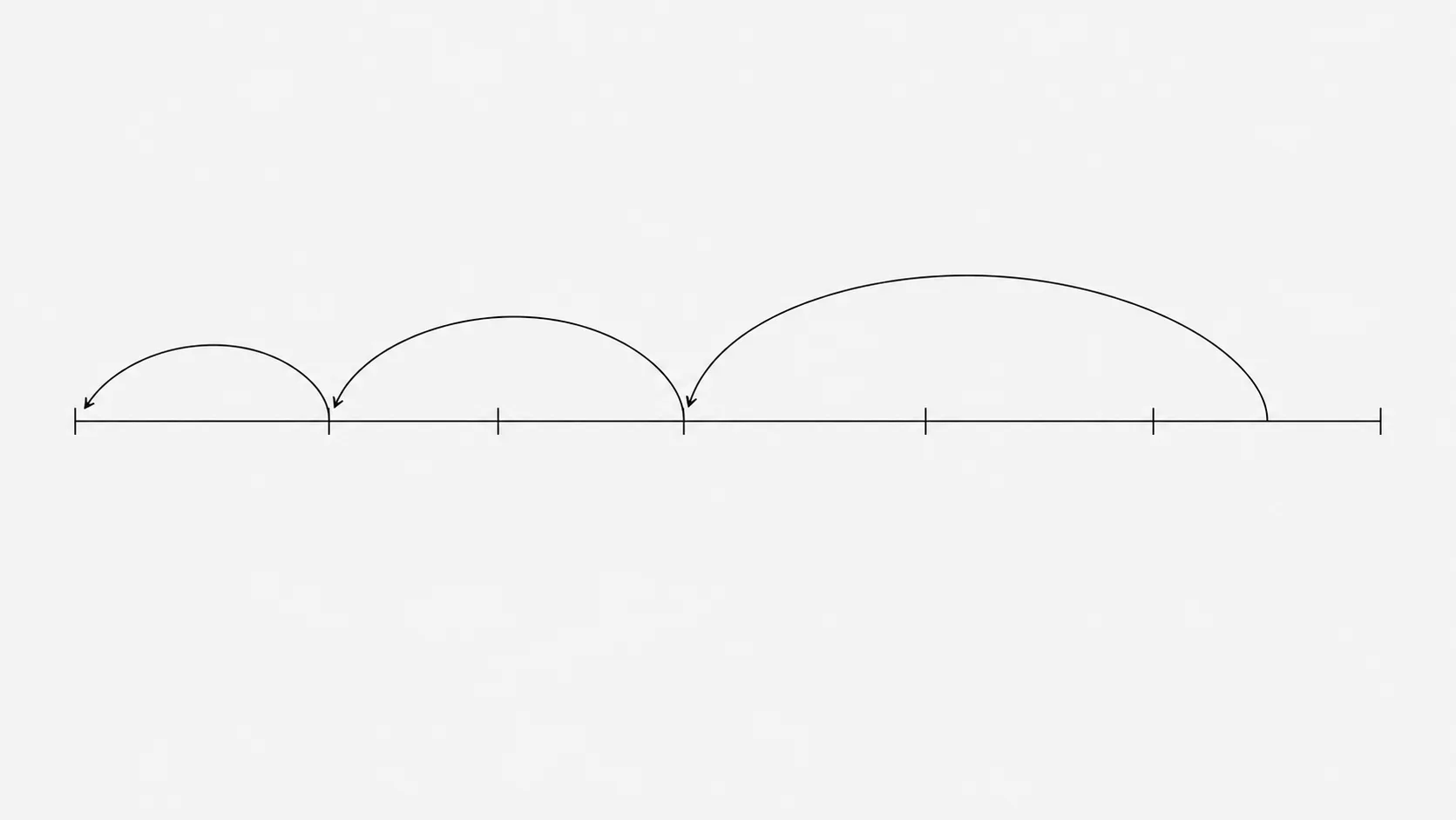
The 23 minute figure is the average time before someone returned to the original task. That is the critical distinction. It is not 23 minutes of being unable to concentrate, and it is not 23 minutes of lost work. In that window people typically dealt with two other tasks in between. Much of the time was spent working, just not on the thing they had been doing.
Turned into advice, the number becomes: one Slack message costs you 23 minutes. That is not what was found. What was found is that after an interruption people tend to route through other work before coming back, which is a description of how attention drifts, not a bill.
The finding that gets left out
In the same body of work, roughly half of the interruptions people experienced were self-interruptions. Nobody messaged them. They stopped on their own and went to look at something else.
This is the part that never makes it into the article, because it is much harder to sell a solution for. External interruptions can be blocked with a setting. The other half is you, deciding to check something at the exact moment the work became difficult.
Self-interruption also clusters. It happens most in unstructured work, at low-energy points in the day, and immediately after an external interruption has already broken the thread.
What switching does cost
There is a real cost and it has a duller name. Laboratory work on task switching consistently finds a switch cost, of a different order entirely.
- A few tenths of a second to a few seconds per switch in controlled tasks. Small, real, and it accumulates over hundreds of switches.
- Attention residue. Part of your attention stays on the previous task for a while, which measurably degrades the next one. This is the closest thing to the popular claim.
- Worse for complex work. Switching between two simple tasks is cheap. Switching out of something you were holding several pieces of in your head is expensive, and holding several pieces in your head is what real work looks like.
- Resumption is easier if you left a marker. Being interrupted at a natural boundary costs far less than being interrupted mid-thought.
Which interruptions are actually expensive
| Interruption | Roughly what it costs |
|---|---|
| A glance at a notification you dismiss | Seconds, plus some residue. Cheap on its own, expensive at 80 a day. |
| A message you answer in the middle of a hard problem | Expensive. You dropped a mental state you have to rebuild. |
| The same message answered between two tasks | Nearly free. The boundary did the work. |
| Deciding yourself to check something because the work got hard | The most expensive kind, and the most common. |
| A meeting in the middle of a morning | Costs the morning, not the hour. The two fragments either side are too short to use. |
What to do about it
In order of how much they matter
- Protect boundaries, not silence. You do not need an uninterrupted day. You need the interruptions to land between things rather than inside them.
- Leave yourself a note before you switch. One line about what you were about to do next. It removes most of the cost of coming back, and it takes four seconds.
- Notice self-interruption when the work gets hard, because that is the exact moment it happens. The urge to check something is usually a report about the task, not about the inbox.
- Batch the checking. Fewer, longer visits to messages beat a constant trickle, and this is far more achievable than never looking.
- Book meetings at the ends of blocks, not the middles. A meeting at 11 destroys a morning in a way one at 9 or 12 does not.
Why breaks are not interruptions
It is worth separating two things that look identical from the outside. An interruption arrives mid-thought and demands a different task. A break is chosen, arrives at a boundary, and asks nothing of you.
The first fragments attention. The second is one of the few things that reliably restores it. Treating all stopping as damage is how people end up sitting for four straight hours, doing progressively worse work, and interrupting themselves every six minutes anyway.
The short version
The 23 minutes measured how long before people came back, not how long they were scrambled, and half the interruptions in that research were self-inflicted. The cost is real but it lives in attention residue and in being caught mid-thought. So aim at where interruptions land rather than at abolishing them, leave a note before you switch, and take deliberate breaks at boundaries, which is the opposite of an interruption even though it looks the same.